Do Vitamin and Mineral Supplements Really Work?

The dietary supplement industry is a multi-billion dollar a year industry, supplements, sports drinks and similar supplements intended for the sports nutrition segment of the market make up a significant portion of those billions.
Despite the obviously large customer base taking vitamins, minerals and other dietary supplements, the FDA uses a more relaxed set of rules to regulate these products, and scientific evidence on their effectiveness wobbles from one side to the other. So the question is, do vitamin and mineral supplements really work
Multivitamins
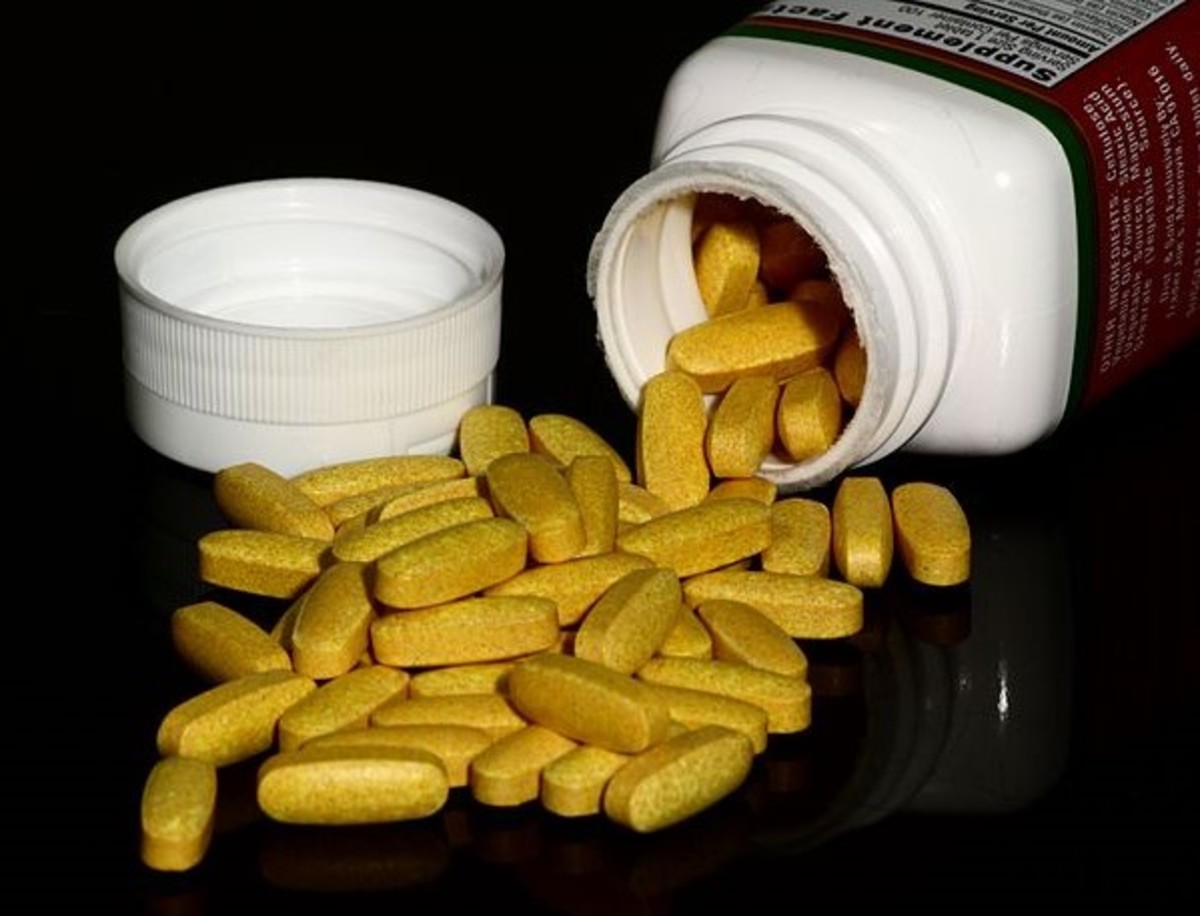
You’ve seen the ads; taking a multivitamin everyday is supposed to optimize health and possibly prevent common diseases, even stave off heart disease and cancer. There is little evidence that multivitamins work, and what does exist is conflicting.
On one side of the argument, researchers believe a multivitamin could help a person with a nutritient deficient diet. On the other side, researchers believe people in developed countries don’t receive any benefit from taking a multivitamin, and may be harmed by adding these elements to an already vitamin-fortified diet.
Who is right? It seems logical that someone who has a poor diet would benefit from taking a supplement that makes up for any deficiencies, but is this deficiency because of dietary choices? If so, why not start by adding more fruits, vegetables and nuts to the diet, making sure they have adequate quality protein, and avoiding junk food?
As a person eating an adequate diet in the United States, many foods are already fortified with vitamins to prevent deficiencies (or market products.) Research suggests that taking excessive amounts of vitamins on top of this may lead to health problems, including cancer.
Calcium and Vitamin D
While milk and a few other products are fortified with vitamin D, research suggests many Americans are still deficient in this vitamin. Fortunately, a few minutes of sunlight on the skin is enough to give us our daily dosage. If that is not manageable, supplementing the diet with 800-2000 IU should do the trick. Fatty fish is also a good source of this vitamin.
While scientists are conflicted about certain vitamins and minerals, there is a consensus that taking calcium will help people who are deficient in, or do not produce enough of it. The research seems to single out women who do not eat a calcium rich diet, but calcium promotes bone health, and that is good for everyone.
Incidentally, if you are taking fish oil, keep it up. This is another supplement researchers agree will contribute to good heart health. Then again, eating fatty fish will provide the same benefit, and taste better.
Antioxidants
The buzz around taking antioxidants to reduce the number of ‘free radicals’ in the body, and thus reduce the risk of certain life-threatening diseases, is enormous. While there is some truth to the idea of free radicals contributing to the aging process of the body, clinical trials have not supported the theory that taking antioxidant supplements prevents this.
In cases where smokers are taking vitamin E or beta-carotene, the risk of cancer actually increases. But this brings us to another point; if a person has a healthy diet and lifestyle, they probably do not need vitamin and mineral supplements.
Antioxidants are derived (to name a handful) from foods like berries, green vegetables and certain seeds and nuts. Instead of taking a supplement, one could go straight to the whole food source, assuming it is available.
Sports Supplements
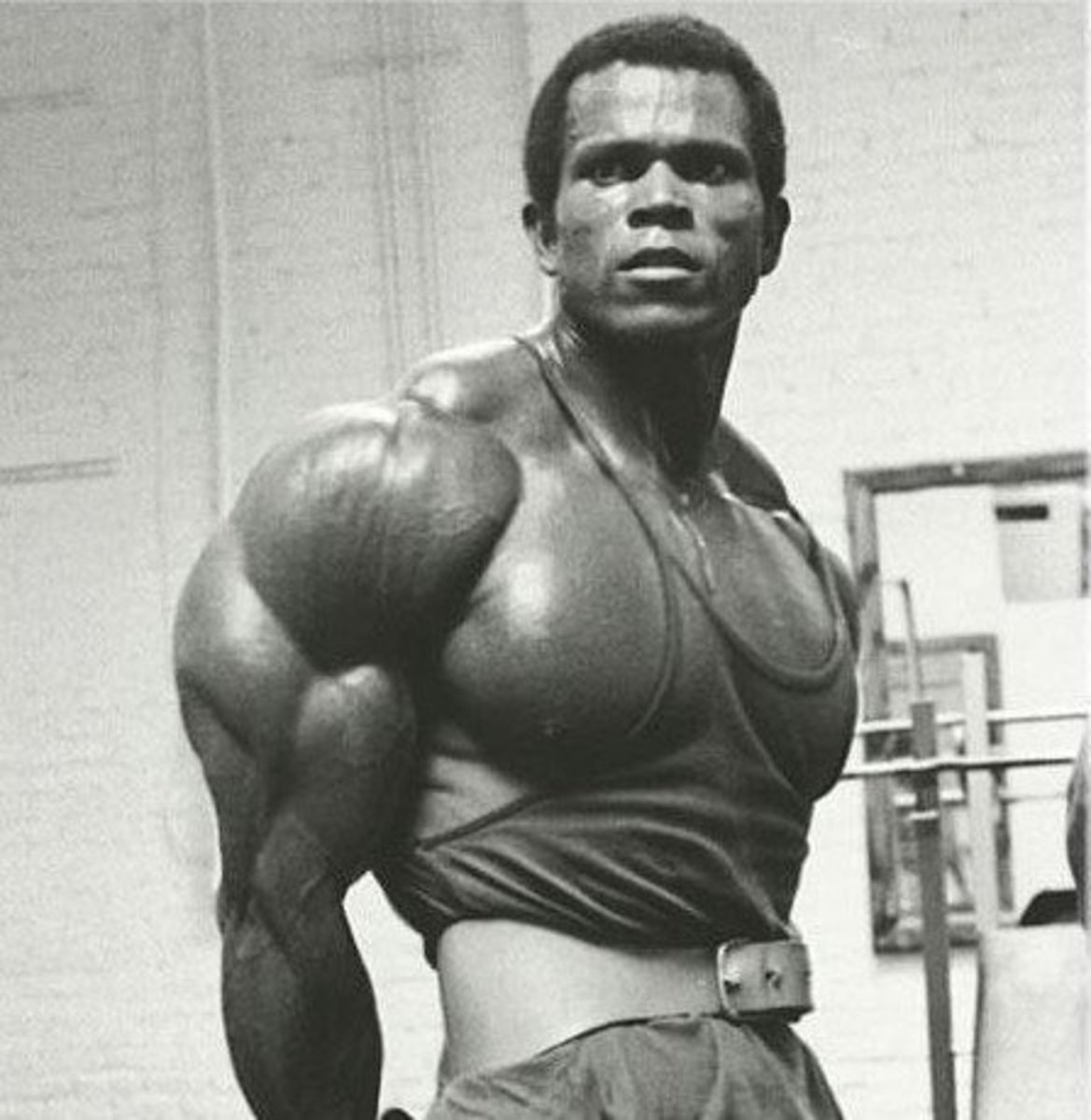
Ergogenic aids, or those taken to enhance performance, are numerous. Most have no evidence backing them up to prove their worth. Some are downright dangerous (steroids, for example.) There are a few which have been studied extensively, and can enhance performance when taken as part of a supervised training and nutritional program.
Creatine
Hundreds of studies have been done on this substance, and a majority conclude that creatine, an amino acid, does enhance power, strength and muscle gains when taken for short periods of time (a few days) and in measured doses.
In fact, there may be no performance decreasing (ergolytic) effects from this supplement. This is not to say all the studies done on creatine agree with its benefits. Several research studies have shown it to have little or no effect on athletic performance. Creatine does appear to be relatively safe, though, but it would be a good idea to consult a sports nutritionist before taking it
Protein Supplements
An athlete engaging in strenuous exercise needs from 1.2 to 1.7 g/kg of bodyweight per day, depending on their sport and level of activity. This can be accomplished through a regular healthy diet, but it may not always be the practical option. Timing meals to get adequate protein and carbohydrates soon after exercise is vital to maximizing the effects of training.
When a wholesome meal is not available, a high quality protein bar or shake is a solid substitute. It should be noted, however, a supplement is just that; it does not and should not replace a regular diet with adequate and well-rounded nutrients.
A Well-Rounded Diet
The conclusion of all studies was decisive. An individual’s diet of real foods should be optimized before taking any supplements, which includes fortified foods. Eat whole foods first, fortified foods as a second resort and supplement only when necessary, but never as a substitute for whole, well-rounded nutrition
- Lose Weight by Understanding Food Chemistry - What You Eat Does Make a Difference
How does our body regulate our metabolism? How do the foods we eat cause us to gain or lose fat? Read on to find out about the hormones responsible. - Peanut Butter Smoothies-Endless Ways to Make Them Tasty
- The Amazing Heart Healthy Cashew Nut
- Losing Body Fat -The Essential Steps to Getting Rid of Those Unwanted Pounds
Find out how to get rid of that belly, the right way! No tricks or gimmicks, just the truth behind losing ab fat. - Losing Weight Fast - Best Foods for Healthy Eating
- Keys to Sports Performance-and Some Real Life Super Heroes
Are you focusing on these key aspects of sports performance? A quick review on what makes an athlete, and some amazing examples from real life. - Your Heart-Coronary Heart Disease and Prevention
An overview of coronary heart disease, the number one killer of men and women in the United States. Learn how to prevent it!
Excellent Home Gym Equipment
- Reviews about high quality fitness products and equipment.
Flex and Flow features the best fitness equipment for muscle building, fat-burning, and overall functional fitness. - MosLadder