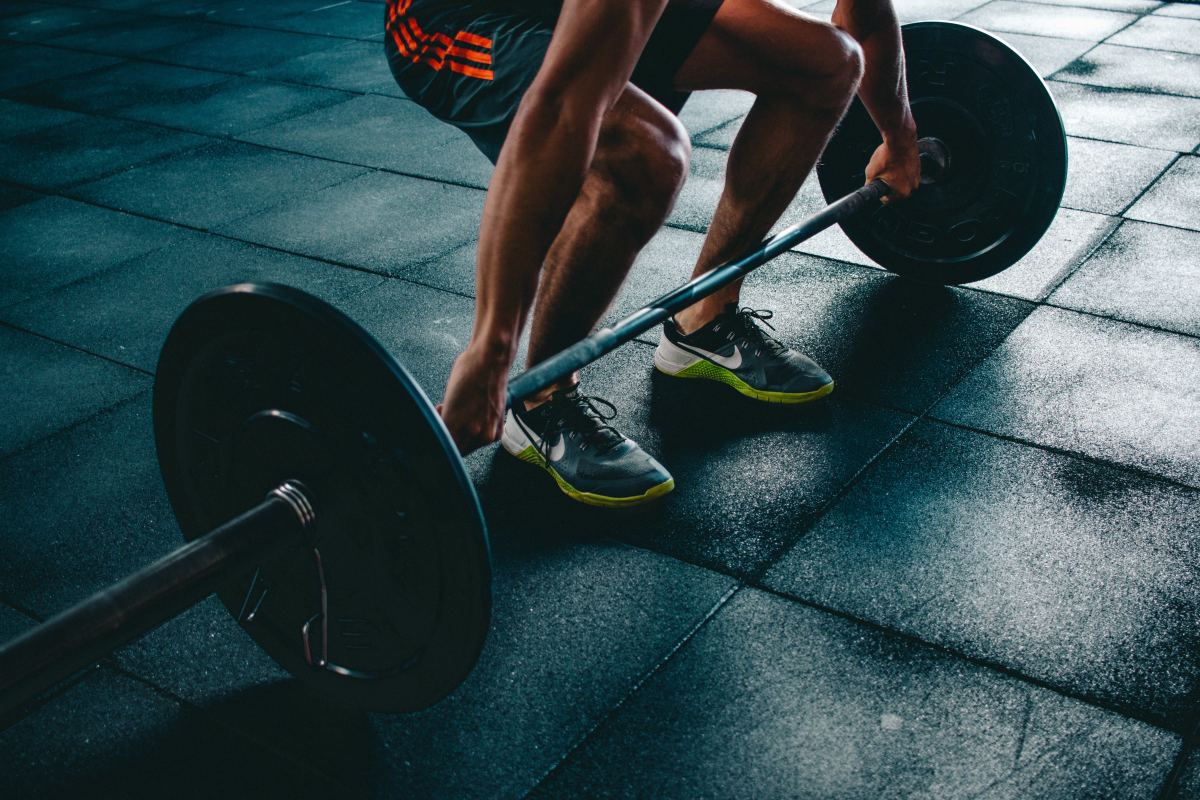
Get Muscular and Ripped with Interval Training

Hardcore Interval Training Or Not?
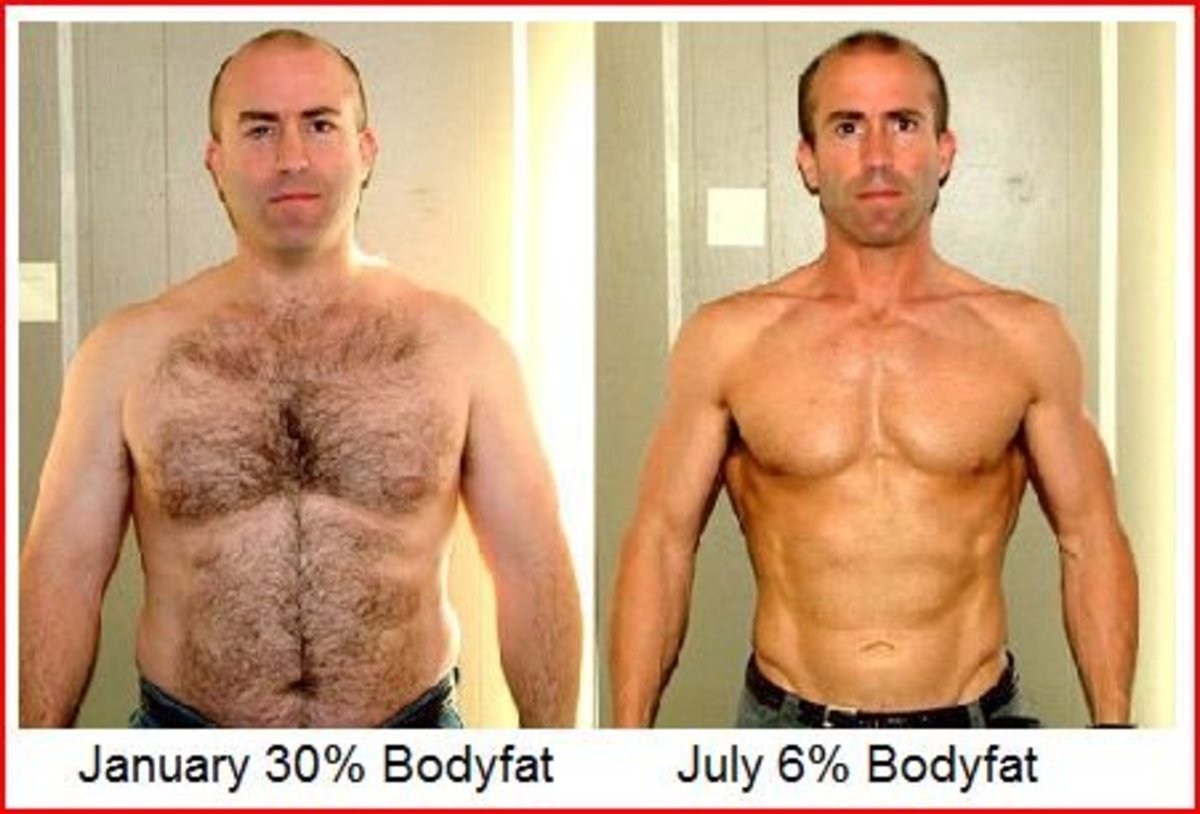
You’ve seen the videos, the infomercials, testimonials from ripped, muscular people who ditched their pear shapes and spare tires for the body of a Greek statue.
Maybe you have watched the P90x promos featuring Tony Horton coaching a room full of sweat-drenched trainees or Shaun T and the Insanity workout. This is the guy performing non-stop right next to his class; usually working so hard he collapses at the end of a circuit.
So is this what it takes to get lean and muscular? Do you have to work so hard you pass out?
As it turns out, yes, and no.
The Science
Interval training is nothing new, but programs like the Insanity workout and P90x have encapsulated the concept and created comprehensive routines around it.
The reason it works is the extreme demands it places on the body in a short period of time, burning a slew of calories. This high intensity training was always considered a good way to increase anaerobic capacity (short term energy for high output activities such as sprints, etc.,) but many studies have shown it also increases your maximal oxygen uptake (VO2 max,) which is important because this number is directly related to a person’s ability to “do work aerobically.”
More significantly, these studies have demonstrated an increase in mitochondria in the cells of skeletal muscle tissue. Translation? If this science is right, you can increase your muscular endurance through these methods as well as your cardiovascular fitness. Important news if you are an endurance athlete.
Interval Research
But back to the question of effort. Is it necessary to go at 110 percent to get the same results? According to Science Daily, not at all.
A study published in the Journal of Applied Physiology demonstrated how both untrained and trained test subjects increased their aerobic capacity using moderate intensity intervals. In this case, they worked for a whole hour at ~90 percent of their ability. Over the hour, 10 4-minute cycles were performed, with two minute rests in-between.
Regardless of how fit they were in the beginning, the subjects used more fat for energy while increasing cardiovascular fitness, even with moderate intensity training.
Speed of Loss
Keep in mind the speed with which you lose weight has to do with a combination of your exercise program and nutrition. Although the subjects in the study mentioned above used more fat stores during the experiment, a number of factors, especially nutrition, can prevent weight loss.
Warnings
The body needs time to recover from interval training.This is especially if it is done at a very high intensity. The general recommendations are to include it once or twice a week in your program.
If you are untrained, consider developing a base of aerobic and muscular endurance for several weeks before starting intervals. This allows you to prepare your body, but also to develop the ability to work hard enough in good form to get results and prevent injury.
Remember the Minimum Effective Dose. Doing more than what is needed will not necessarily create more of a positive effect, and may be detrimental to your training. The body can actually start breaking itself down if it is worked too hard for too long. Schedule adequate rest and recovery periods.
Interval Training for Strength and Power!
Round 2!
Dr. Tabata
Did you know that Dr. Izumi Tabata achieved the same health and performance benefits mentioned in this article using a much shorter time period? Dr. Tabata and his team pushed a group of test subjects through 2 protocols. The first, and best known, was 6-7 bouts of exercise at ~170 percent of the subjects maximum oxygen uptake (VO2 max.) They were required to work hard for 20 seconds, rest 10 seconds and repeat. Approximately 4 minutes total.
The second involved 4-5 rounds of exercise at 200 percent of VO2 max for 30 seconds each, with 2 minutes rest between bouts.
The best results were realized with the shorter work to rest ratios, which is why today the Tabata protocol is known as '8 rounds of 20/10.'
Goal Specific
Be sure intervals fit into your fitness goals. If you are an athlete in the off-season, including high intensity interval training once or twice a week probably makes sense. In fact, you are likely doing strength and cardio training like this. Marathon runners can also use this method to their benefit, but in moderation.
For someone who just wants to stay fit and get a ‘beach body,’ relying on long interval sessions like the Insanity workout will eventually break you down, not build you up.
Find the balance between recovery and craziness. You will burn more total calories with high intensity workouts, but be sure to give yourself adequate time in between these sessions.
On the off days, do low intensity exercise and stretch your muscles. You will be better prepared to take on that next Shaun T or P90x video if you do.

Try P90x or The Insanity Workout for Yourself

Please take a moment to participate!
Have you experienced better results from interval training?

Stay Informed >>>
- Reviews about high quality fitness products and equipment.
Flex and Flow features the best fitness equipment for muscle building, fat-burning, and overall functional fitness. - The Kettlebell Dumbbell Relay Workout for Strength and Endurance
- Maximizing Brain Power: Pushing the Brain to Limitless
- Bodyweight Daily
Follow along with a short daily bodyweight workout routine. - Resistance Bands for Strength and Function
- GoFit Kettlebells Review
- MosLadder